
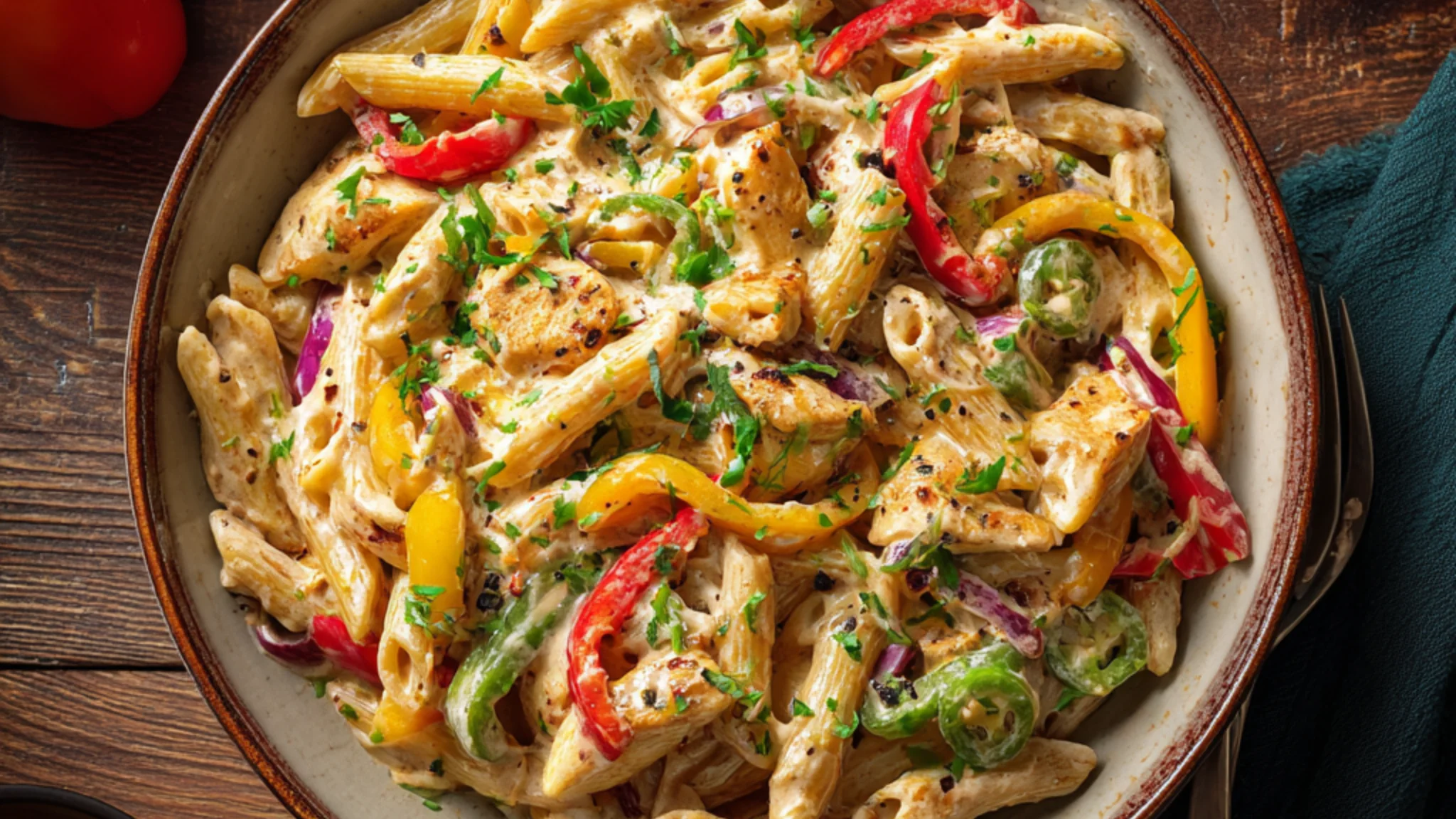
If you’ve never heard of Rattlesnake Pasta before, get ready — this dish is about to become one of your most requested weeknight meals. It sounds wild, it looks beautiful, and it tastes like something you’d order at your favorite restaurant and then spend months trying to recreate at home. The good news? You’re about to nail it on the first try.
This is a creamy, boldly seasoned pasta loaded with Cajun-spiced chicken, colorful bell peppers, fiery jalapeños, and a velvety sauce that coats every single piece of penne like a dream. It’s comfort food with attitude. And yes — despite the name, there’s absolutely no rattlesnake involved. Just good, honest, incredible flavor.
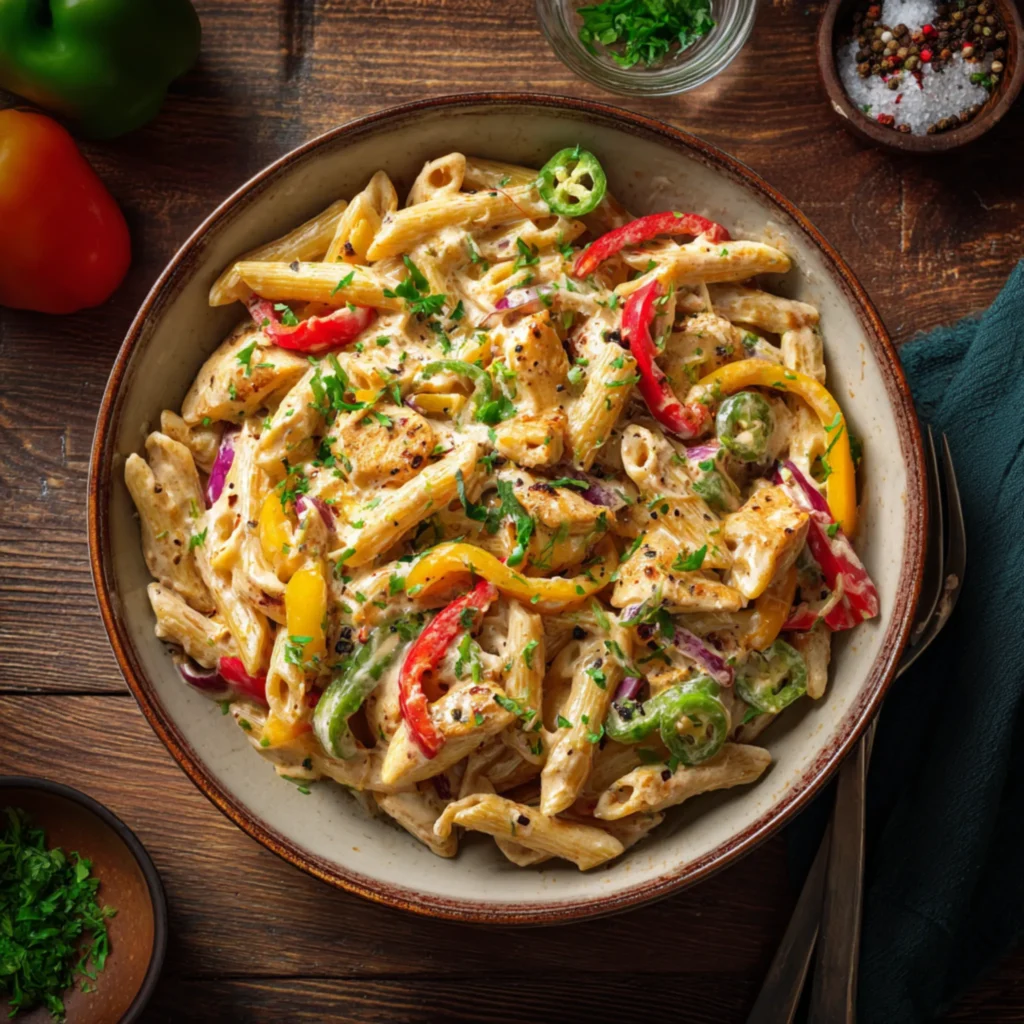
Table of Contents
What Is Rattlesnake Pasta, Exactly?
Rattlesnake Pasta is a beloved restaurant-style dish that became famous at casual American dining spots across the country. It’s essentially a Cajun Chicken Pasta Alfredo — though the name gives it a whole personality of its own that makes it completely unforgettable. The dish earns its name not from any exotic ingredient, but from the spicy heat it delivers — a warmth that builds slowly and sneaks up on you the way only a good spice can.
The base is always the same: tender pasta, juicy sautéed chicken, a rainbow of peppers and onions, fiery jalapeños, and a rich, creamy, cheesy sauce that pulls everything together into something genuinely special. It’s the kind of meal that feels impressive enough for a dinner party yet simple enough to pull off on a busy Tuesday night without breaking a sweat.
Once you make this at home, you’ll wonder why you ever paid restaurant prices for it.
What Makes This Recipe So Good
This recipe hits every note you want in a pasta dish. The Cajun seasoning brings warmth and depth. The jalapeños deliver a sharp, fresh kick. The bell peppers and onions add natural sweetness and beautiful color. And that creamy, cheesy sauce? It ties everything together in the most satisfying way possible.
It comes together in around 30 minutes from start to finish, uses ingredients you can find in any grocery store, and produces a result that genuinely tastes like you’ve been cooking for hours. It’s the kind of recipe that earns compliments every single time — and the kind people ask you to make again before they’ve even finished their first bowl.
Ingredients You’ll Need
Here’s everything you need to make Rattlesnake Pasta from scratch. Each ingredient plays an important role, so let’s walk through it all.
For the Pasta and Chicken:
- 1 lb (450g) penne pasta
- 1.5 lbs (680g) boneless, skinless chicken breasts, cut into bite-sized cubes
- 2 tablespoons Cajun seasoning (divided)
- 2 tablespoons olive oil (divided)
For the Vegetables:
- 1 red bell pepper, sliced
- 1 green bell pepper, sliced
- 1 medium red onion, thinly sliced
- 3 cloves garlic, minced
- 2 jalapeño peppers, sliced (seeds in for more heat, seeds removed for milder)
For the Creamy Sauce:
- 3 tablespoons unsalted butter
- 3 tablespoons all-purpose flour
- 2 cups whole milk or half-and-half
- 1 cup freshly grated Parmesan cheese
- 1 teaspoon Dijon mustard
- ½ teaspoon crushed red pepper flakes
- Salt and black pepper, to taste
To Garnish:
- Fresh flat-leaf parsley, roughly chopped
For the creamiest possible sauce, whole milk or half-and-half are the way to go. This is one of those recipes where using the good stuff really does make a visible difference in the final texture and richness of the dish.
Step-by-Step Instructions
Step 1 – Cook the Pasta
Bring a large pot of generously salted water to a rolling boil. Add your penne and cook according to package directions until al dente — typically 10 to 12 minutes. Once drained, toss the pasta in a drizzle of olive oil to prevent sticking and set it aside. You want it slightly firm since it will continue to soften once tossed in the warm sauce.
Step 2 – Season and Cook the Chicken
While the pasta cooks, toss your cubed chicken breast pieces with 1 tablespoon of Cajun seasoning until every piece is evenly coated. Heat 1 tablespoon of olive oil in a large, deep skillet over medium-high heat. Add the seasoned chicken in a single layer and cook for 5 to 7 minutes, turning occasionally, until golden brown and cooked through. Transfer the chicken to a plate and set it aside — you’ll bring it back at the end.
Step 3 – Sauté the Vegetables
In the same skillet, add the remaining tablespoon of olive oil. Add the sliced red and green bell peppers, red onion, minced garlic, and jalapeño. Sauté over medium-high heat for about 5 minutes, stirring frequently, until the peppers are tender-crisp and the onion has softened just enough. You want them to keep a little texture — they shouldn’t turn mushy. Remove from the skillet and set aside with the chicken.
Step 4 – Build the Creamy Sauce
Reduce the heat to medium-low and melt the butter in the same skillet. Once melted, sprinkle in the flour and whisk constantly for about 1 to 2 minutes to cook out the raw flour taste. This is your roux — the foundation of the whole sauce. It will look thick and paste-like at first, which is completely normal.
Begin adding the milk gradually, a splash at a time, whisking after each addition until the mixture is smooth and creamy before adding more. Once all the milk is incorporated, let the sauce simmer gently for 2 to 3 minutes until it begins to thicken. Add the Parmesan cheese a handful at a time, whisking until fully melted. Stir in the Dijon mustard, crushed red pepper flakes, salt, and black pepper. Taste and adjust.
Step 5 – Bring It All Together
Add the cooked pasta, chicken, and sautéed vegetables back into the skillet with the sauce. Toss everything together gently until the pasta is fully coated and everything is warmed through. Take one more taste — a pinch more Cajun seasoning, an extra crack of pepper, maybe another jalapeño slice if you’re feeling it.
Step 6 – Serve and Garnish
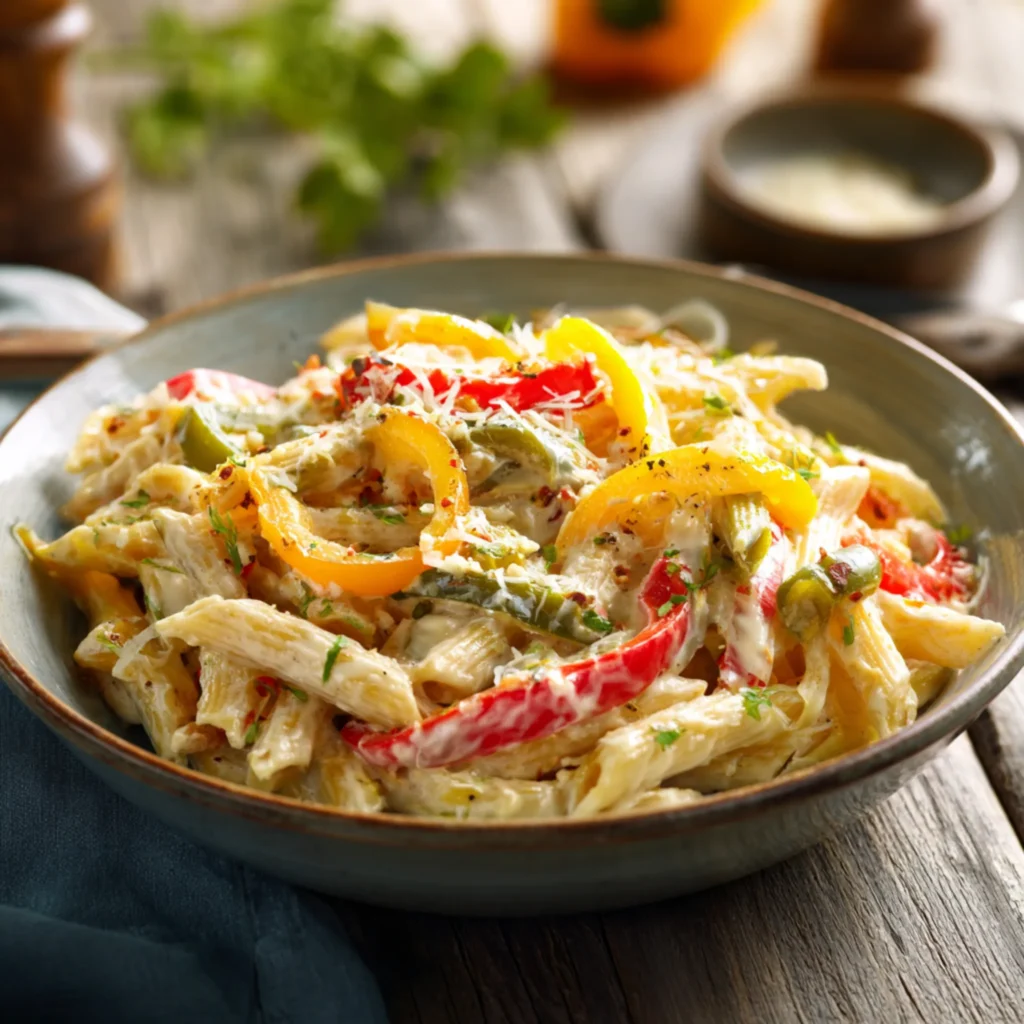
Spoon the Rattlesnake Pasta into warm bowls and finish with a generous scatter of freshly chopped parsley. Serve immediately while the sauce is at its creamiest and most glossy. Keep extra Parmesan on the table — people will reach for it.
Tips for the Best Results
Getting this recipe right is mostly about timing and a few small details that make a big difference in the final dish.
Always salt your pasta water well. It’s the only opportunity you have to season the pasta itself from the inside, and it genuinely changes the flavor of the finished plate. Use freshly grated Parmesan rather than the pre-shredded kind — it melts far more smoothly into the sauce and won’t clump or turn grainy.
If your pasta finishes cooking before the sauce is ready, toss it in a little olive oil and leave it in the colander — it’ll wait patiently without sticking. When building the sauce, patience is everything. Adding the milk too quickly is the main reason sauces go lumpy, so go slow and keep whisking.
For a more consistent heat throughout the dish, consider using pickled jalapeños instead of fresh. The heat distributes more evenly into the sauce, giving you a warm background warmth rather than sharp bursts of spice in individual bites. Both work beautifully — it just depends on the experience you want.
Spice Level: Make It Your Own
One of the best things about this recipe is how effortlessly you can adjust the heat to suit whoever is sitting at the table. For a milder version, remove the jalapeño seeds before slicing — that’s where most of the heat lives. You can also swap the jalapeños entirely for poblano peppers, which are much gentler and bring a lovely earthy sweetness without the bite.
For those who want more fire, keep the seeds in, add a pinch of cayenne directly to the sauce, or replace the jalapeños with serrano peppers for a noticeably sharper kick. The Cajun seasoning is another dial you can turn — a little less for a fragrant warmth, a little more for that bold Southern heat that lingers on the palate.
Variations Worth Trying
This recipe is a fantastic base that adapts beautifully to whatever you have on hand or whoever you’re cooking for.
Shrimp Rattlesnake Pasta: Swap the chicken for large peeled shrimp. They cook in just 2 to 3 minutes per side, so add them quickly right before bringing everything together. The seafood-Cajun combination is absolutely stunning.
Extra Cheesy Version: Try a combination of Parmesan and Asiago or Romano cheese in the sauce. Each one brings a slightly different depth and nuttiness that layers the flavor in the most wonderful way.
Vegetable Lover’s Version: Skip the chicken and double up on the vegetables. Add zucchini, summer squash, or a couple handfuls of baby spinach along with the bell peppers for a hearty, colorful meatless pasta that holds its own.
Deeper Sauce: A small splash of chicken broth stirred into the sauce while it simmers adds another layer of savory complexity that takes the whole dish up a noticeable notch.
What to Serve with Rattlesnake Pasta
This pasta is rich and filling on its own, but a couple of well-chosen sides round the meal out beautifully.
Warm, crusty garlic bread is the obvious and perfect companion — something to mop up every last drop of sauce from the bowl. A crisp green salad with a sharp lemon vinaigrette cuts right through the richness of the cream sauce and refreshes the palate between bites. Roasted asparagus, grilled vegetables, and corn on the cob all make excellent pairings as well, adding freshness and a little char that contrasts the creamy pasta in the best possible way.
For drinks, a cold sparkling water with lemon or a tall glass of iced mint tea both complement the spice without competing with the bold flavors of the dish.
How to Store and Reheat Leftovers
If you find yourself with leftovers — which honestly doesn’t happen often with this dish — store them in an airtight container in the refrigerator and eat within 4 to 5 days.
To reheat on the stovetop, warm the pasta over low heat with a small splash of milk or cream, stirring gently until the sauce comes back to life and coats the pasta again. The microwave works too — use 30-second intervals and stir between each one to heat it evenly. Freezing is not recommended for this dish. The creamy sauce tends to separate when thawed, and the pasta can turn soft and unappetizing. This is truly a recipe best enjoyed fresh or within a few days of making it.
Nutritional Facts (Per Serving, Approx. Based on 4 Servings)
| Nutrient | Amount |
|---|---|
| Calories | ~650–700 kcal |
| Protein | ~40g |
| Carbohydrates | ~70g |
| Fat | ~22g |
| Saturated Fat | ~11g |
| Fiber | ~4g |
| Sugar | ~8g |
| Sodium | ~880mg |
| Calcium | ~420mg |
| Iron | ~2mg |
Nutritional values are estimates and will vary based on specific ingredients, brands, and portion sizes used.
Frequently Asked Questions
Does Rattlesnake Pasta actually contain rattlesnake? No, it absolutely does not. The name comes from the fiery “bite” the dish delivers — not from any exotic protein. This recipe uses chicken breast, and it’s every bit as satisfying and delicious as the name promises.
Can I use a different pasta shape? Yes! Penne is traditional because its tube shape holds the creamy sauce beautifully inside, but rigatoni, farfalle, fettuccine, and fusilli all work wonderfully. Cook whatever you have to al dente and you’re good to go.
How do I make it gluten-free? Swap the all-purpose flour in the sauce for a gluten-free flour blend, or use 1 to 2 tablespoons of cornstarch as a thickener instead. Pair it with your favorite gluten-free pasta and the result is just as creamy and satisfying.
Can I make this ahead of time? The components can absolutely be prepped ahead — cook the chicken and vegetables and store them separately in the fridge. Make the sauce and cook the pasta fresh when you’re ready to serve for the best texture and creaminess. The assembled pasta can also be made a few hours ahead and gently reheated with a splash of milk.
My sauce turned out lumpy — what went wrong? This usually happens when the milk is added too quickly to the roux. Next time, add the milk a little at a time and whisk constantly between each addition. If it does turn lumpy, a quick pass with an immersion blender smooths it right out without any fuss.
Can I use chicken thighs instead of breasts? Absolutely. Boneless, skinless chicken thighs are juicier and more forgiving than breasts, and they bring a slightly richer flavor to the finished dish. Cook them exactly the same way — just ensure they’re cooked through before setting aside.
How spicy is this recipe? At the level written, it has a noticeable but very manageable heat. The jalapeños are the primary source of spice. Remove the seeds for mild, keep them in for medium, or bring in serrano peppers for genuinely hot. You are completely in control of how bold this dish gets.
Final Thoughts
Rattlesnake Pasta is one of those recipes that delivers far more than its ingredient list suggests. It’s creamy, it’s spicy, it’s warming, and it comes together so quickly that it genuinely feels like a weeknight miracle. Whether you’re feeding a hungry family, hosting friends for a casual dinner, or just craving something deeply satisfying after a long day — this is the pasta that shows up and delivers every single time.
Make it once, and it earns a permanent spot in your dinner rotation. That’s not a prediction. That’s just what this dish does.