
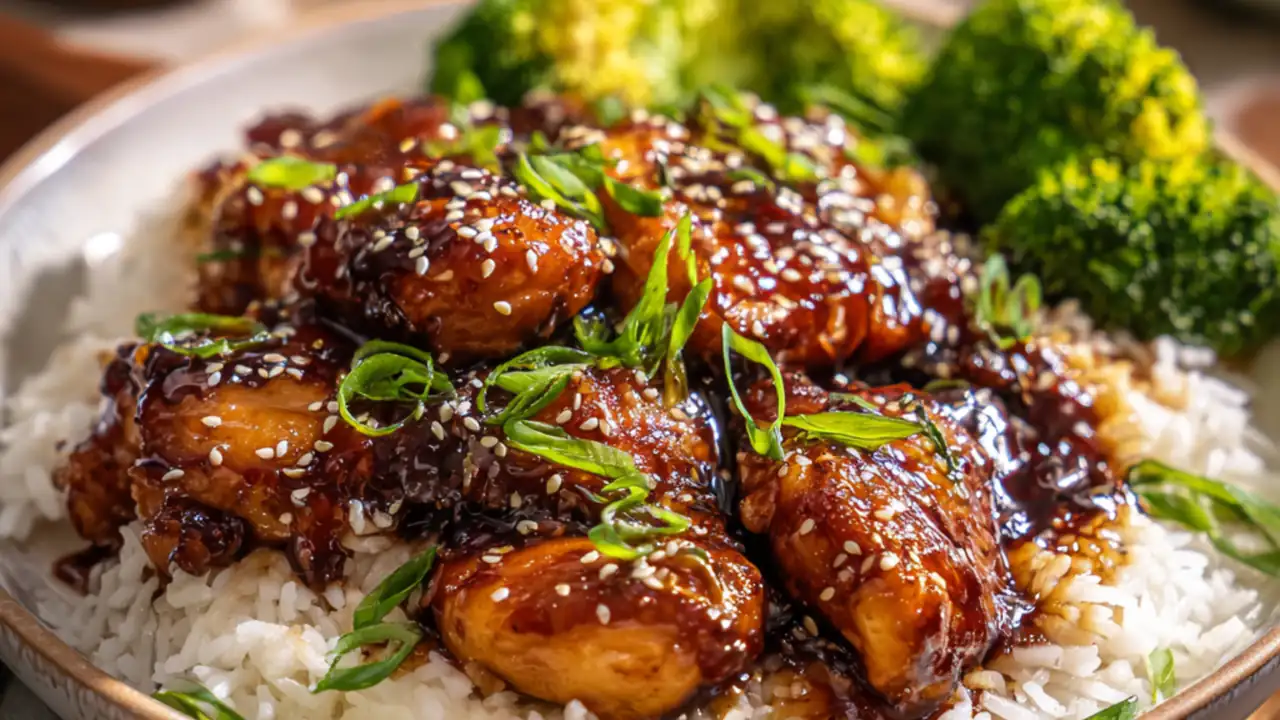
A cozy take on a takeout classic you’ll actually crave
There’s something deeply comforting about a glossy, sticky chicken teriyaki that clings to every bite and fills your kitchen with that sweet, savory aroma. But here’s the truth, most takeout versions are either too sugary, too salty, or just missing that rich depth you want.
This homemade version brings everything back into balance. It’s tender, juicy chicken coated in a thick, shiny sauce that hits all the right notes, sweet, salty, slightly tangy, and deeply satisfying. And the best part? You can make it from scratch in your own kitchen with simple ingredients and no stress.
This recipe is designed for real life. Busy evenings, hungry families, or even just a quiet night where you want something comforting without ordering out. It’s reliable, forgiving, and incredibly rewarding.
And once you master it, it becomes one of those dependable recipes you can make without thinking twice, the kind you turn to when you want something that feels like a treat but fits easily into your routine.
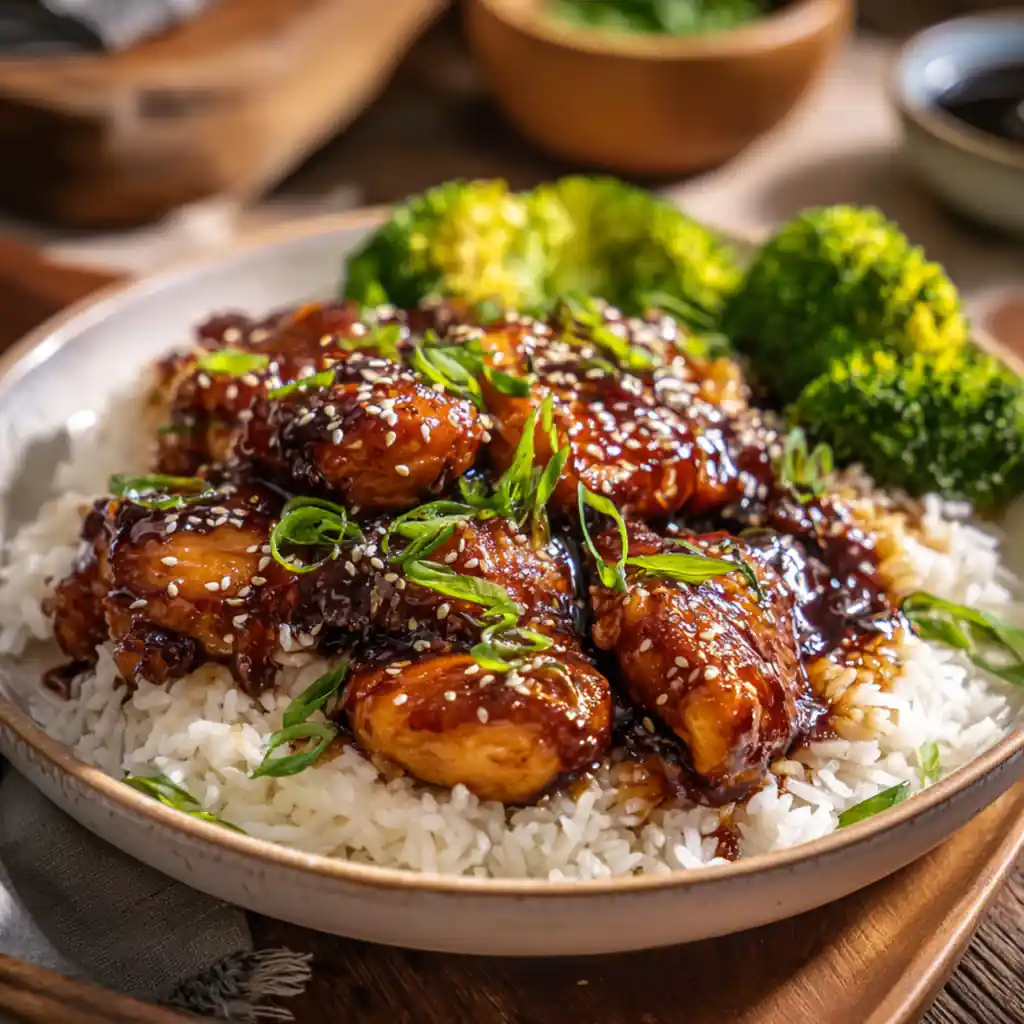
Table of Contents
A fresh spin on a beloved favorite
Instead of relying on bottled sauces, this recipe builds flavor step by step. You’ll create a glossy teriyaki sauce that thickens naturally and coats the chicken beautifully. The result is a dish that feels restaurant-quality but tastes even better because you made it yourself.
You’ll notice the difference immediately. The sauce has a silky texture that hugs every piece of chicken. The balance of garlic and ginger adds warmth without overpowering. And the caramelization on the chicken gives it that slightly crispy edge that makes every bite exciting.
Even better, you control every element. You can adjust sweetness, saltiness, or thickness depending on your taste. That flexibility is what makes homemade cooking so satisfying.
Ingredients You’ll Need
For the chicken
- 600 g boneless, skinless chicken thighs, cut into bite-sized pieces
- 1 tablespoon cornstarch
- 1/2 teaspoon salt
- 1/4 teaspoon black pepper
- 2 tablespoons vegetable oil
For the teriyaki sauce
- 1/3 cup soy sauce
- 1/4 cup water
- 3 tablespoons brown sugar
- 2 tablespoons honey
- 2 cloves garlic, minced
- 1 teaspoon fresh ginger, grated
- 1 tablespoon rice vinegar
- 1 tablespoon cornstarch
- 2 tablespoons water (for slurry)
Optional for serving
- 2 cups cooked white rice
- 1 cup steamed broccoli
- 1 tablespoon sesame seeds
- 2 green onions, sliced
Step-by-Step Instructions
Step 1: Prepare the chicken
Start by placing the chicken pieces in a bowl. Add the cornstarch, salt, and pepper. Toss everything together until the chicken is evenly coated.
This light coating helps the chicken develop a golden exterior and also helps the sauce cling better later on.
Let the chicken sit for 5 minutes if you have time. This allows the seasoning to lightly absorb and improves overall flavor.
Step 2: Cook the chicken
Heat the vegetable oil in a large skillet over medium-high heat.
Add the chicken in a single layer. Let it cook undisturbed for about 3–4 minutes so it develops a nice golden crust. Then stir and continue cooking for another 4–5 minutes until fully cooked.
You’re looking for slightly crispy edges and a juicy interior.
If your pan feels crowded, cook in batches. Giving the chicken space ensures it sears properly instead of steaming.
Step 3: Make the sauce
In a bowl, whisk together soy sauce, water, brown sugar, honey, garlic, ginger, and rice vinegar.
Take a moment to taste the sauce before cooking. It should taste slightly stronger than you want the final dish to be, since it will mellow as it cooks.
In a separate small bowl, mix the cornstarch with water to create a slurry.
Step 4: Bring everything together
Reduce the heat to medium. Pour the sauce mixture into the skillet with the chicken.
Let it simmer for 2–3 minutes. Then add the cornstarch slurry and stir continuously.
Within a minute or two, the sauce will thicken into that signature glossy, sticky coating.
Watch closely here, the transformation happens quickly. Once it reaches that smooth, shiny consistency, you’re done.
Step 5: Final touches
Once the sauce is thick and clinging to the chicken, remove from heat.
Sprinkle sesame seeds and green onions on top for extra flavor and texture.
These small additions bring freshness and a slight crunch that balances the richness of the sauce.
Step 6: Serve and enjoy
Serve the chicken over warm rice with steamed broccoli on the side. Spoon extra sauce over everything for maximum flavor.
For a more complete meal, you can add carrots, snap peas, or even sautéed mushrooms to the plate.
Building Flavor Like a Pro
What makes this dish stand out isn’t just the ingredients, it’s how they come together.
Cooking the chicken first creates a base of flavor in the pan. When the sauce is added, it picks up all those browned bits, adding depth and richness.
The combination of brown sugar and honey creates a layered sweetness, while garlic and ginger bring warmth and complexity. The rice vinegar adds just enough brightness to keep everything balanced.
If you want to deepen the flavor even more, let the sauce simmer an extra minute before thickening. This slightly intensifies the taste and gives the final dish more character.
Texture Matters More Than You Think
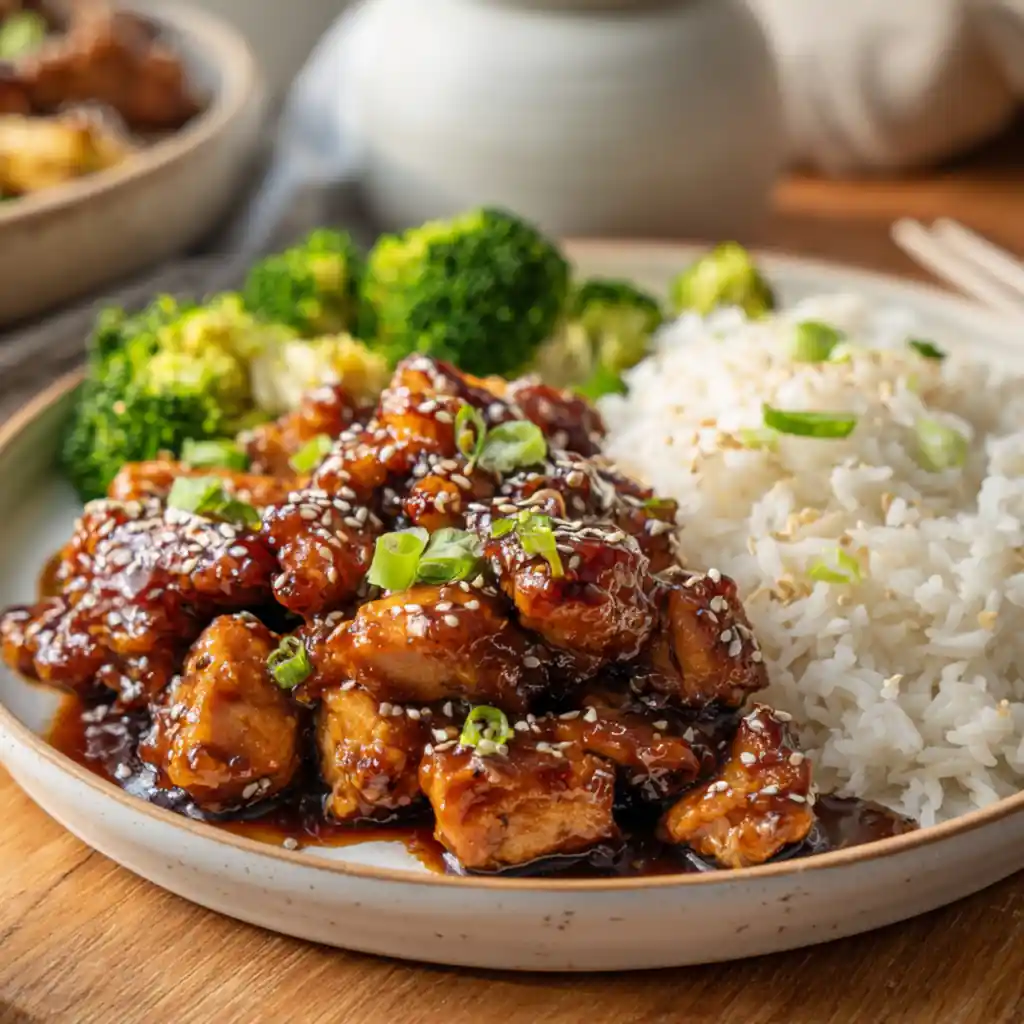
The magic of this recipe lies in contrast.
The chicken is tender on the inside with slightly crisp edges. The sauce is thick and glossy, coating every piece without feeling heavy.
When paired with soft rice and lightly crisp vegetables, every bite feels complete. It’s not just about taste, it’s about how everything feels together.
Even the smallest details, like how the sauce clings or how the chicken browns, contribute to the overall experience.
Smart Kitchen Habits That Elevate Your Cooking
Sometimes the difference between an average dish and an unforgettable one comes down to small habits.
Keeping your pan hot before adding chicken ensures proper searing. Stirring only when needed allows that golden crust to form. Measuring ingredients accurately keeps the sauce balanced every time.
Another useful habit is prepping everything before you start cooking. Since this recipe moves quickly, having your sauce ready and ingredients measured makes the process smooth and stress-free.
These habits may seem simple, but they build confidence and consistency in your cooking.
Serving Ideas That Make It Feel Special
While this dish is perfect on its own, a few thoughtful touches can turn it into a full experience.
Serve it in a wide bowl with rice on one side and chicken on the other, letting the sauce gently flow between them. Add a sprinkle of sesame seeds and a few green onions for color.
You can also pair it with a light cucumber salad or simple sautéed greens to balance the richness.
If you’re serving guests, consider adding a second side like roasted vegetables or a simple soup to round out the meal.
Making It Your Own Every Time
One of the best parts of this recipe is how adaptable it is.
You can add vegetables directly into the pan during the last few minutes of cooking. Bell peppers, zucchini, or snap peas work beautifully.
You can also adjust the sauce. Prefer it sweeter? Add a little more honey. Want it deeper and richer? Increase the soy sauce slightly.
Cooking is personal, and this recipe gives you room to explore without losing its core identity.
Meal Prep and Time-Saving Ideas
If you’re planning ahead, this recipe fits perfectly into a weekly routine.
You can cut and season the chicken in advance and store it in the refrigerator. The sauce can also be mixed ahead of time and kept ready to use.
When it’s time to cook, everything comes together in minutes.
This makes it ideal for busy schedules where you still want something homemade and satisfying.
Frequently Asked Questions
Can I use chicken breast instead of thighs?
Yes, you can. Chicken breast works well, but it tends to be leaner. Be careful not to overcook it to keep it tender.
How do I make the sauce thicker?
Add a little more cornstarch slurry, a teaspoon at a time, until you reach your desired consistency.
Can I make this ahead of time?
Absolutely. You can prepare the chicken and sauce ahead, then reheat gently before serving.
Is this recipe freezer-friendly?
Yes. Freeze the cooked chicken and sauce in a sealed container for up to 2 months. Thaw in the refrigerator before reheating.
What can I serve with chicken teriyaki?
Rice is the classic option, but noodles, quinoa, or even a fresh salad work beautifully.
Why is my sauce not sticky enough?
This usually means it needs more time or a bit more slurry. Let it simmer slightly longer while stirring.
Can I double the recipe?
Yes, just make sure to cook the chicken in batches so it sears properly.
Nutritional Information (Per Serving Approximate)
Calories: 420
Protein: 28 g
Carbohydrates: 32 g
Fat: 18 g
Sugar: 14 g
Sodium: 820 mg
Final Thoughts
This homemade chicken teriyaki is more than just a quick dinner. It’s a dish that brings comfort, flavor, and a sense of accomplishment all in one pan.
Once you try it, it’s hard to go back to takeout. The flavors feel richer, the texture is more satisfying, and the experience of making it yourself adds something special.
It’s also a recipe that grows with you. The more you make it, the more you understand how to adjust flavors, textures, and timing to suit your preferences perfectly.
Whether you’re cooking for your family or just for yourself, this dish offers a sense of ease and satisfaction that makes it worth repeating.
And in the end, that’s what great recipes do, they become part of your routine, something you trust, something you enjoy, and something you look forward to making again and again.